Style 03 · Saturation held in check by drawing — colour that serves the form.
Color
Realism
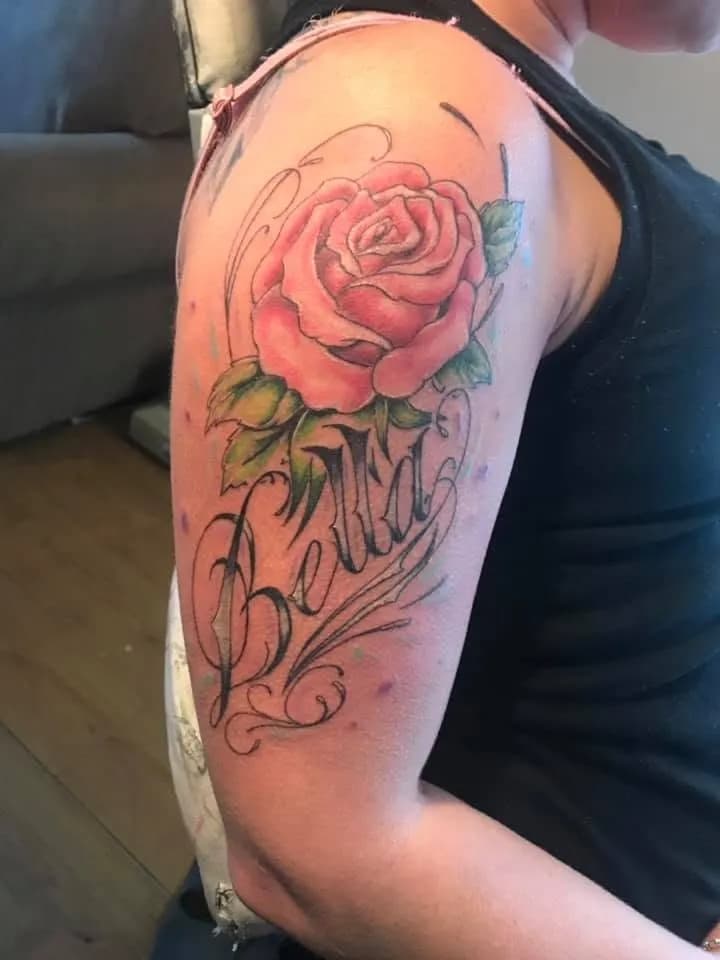
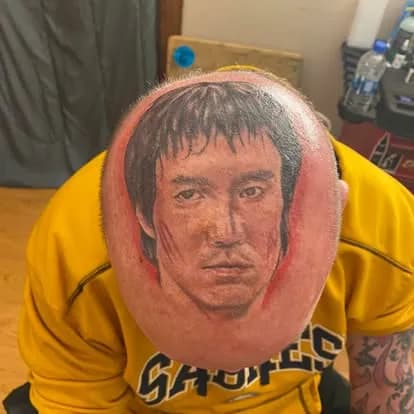
Colour realism is saturation held in check by drawing. The colour serves the form: it describes where the light is warm and where the shadow goes cold, and it never gets to be the reason the piece works. Underneath every strong colour piece is a black and gray piece that would have stood on its own.
The discipline
What separates good from bad.
Colour is the least forgiving thing we put in skin. It shifts as it heals, it is affected by what is already in the skin, and it is punished by sun. So we test the palette against the actual skin, we build the value structure first, and we plan the packing sessions rather than chasing saturation in one sitting.
Fit
Who it suits.
Subject matter
Botanical and animal work, figures where skin tone matters, objects with a specific material — glass, metal, fabric — and anything where the colour is the information.Skin tone
Palette is chosen against your skin, not against a screen. On deeper skin tones we shift toward the warm and opaque end of the range and rely on value contrast to carry the form.Scale
Needs more room than black and gray at the same level of detail, because each colour transition costs space. Upper arm, thigh and back are the working sizes.Who it is for
People who will keep it out of the sun and come back for the packing sessions it needs.
Placement
Where it lives.
Upper arm
The reference placement for colour: naturally shaded, stable surface, easy to cover while healing.Thigh
The largest low-exposure surface available and the most forgiving for long colour sittings.Back
Best panel for large-scale colour narrative work. Planned as a multi-session project from the first consult.Avoid: hands and feet
Colour on hands and feet breaks down fastest. We will say so before you book rather than after.
What to expect
How it gets built.
01
Structure first, colour second
The first sitting is drawing and value. Colour goes over a structure that already reads, which is why colour pieces almost never finish in one session.02
Large-scale colour is a multi-session plan
A large colour realism piece is scheduled as a run of four-hour sessions. The recommended count and the reasoning are given at consultation before a date is picked.03
Sun is the aftercare
Colour lives or dies on UV exposure. The aftercare page covers the healing window; after that, block it or lose it.
Color Realism