Style 05 · Likeness first. If it doesn't look like them, it isn't finished.
Portrait
Work
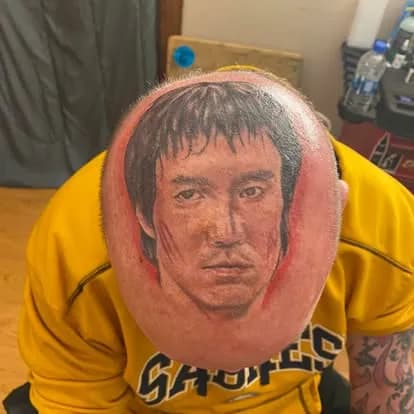
Likeness first. If it does not look like them, it is not finished — and no amount of rendering, smooth shading or clever placement rescues a portrait that missed the face. Portrait work is the most objectively judged thing we do, because everyone who knows the person can tell instantly.
The discipline
What separates good from bad.
The whole job is in the reference and the drawing. We need a high-resolution photograph with real light on it — not a screenshot, not a group shot cropped down, not a flash-lit phone picture at night. From good reference we build the likeness in value and check it at stencil stage from across the room, where errors show.
Photographed
On skin.
Fit
Who it suits.
Subject matter
People and animals from photographic reference. Memorial pieces, family portraits, and character likenesses.Skin tone
Runs across the range in black and gray. The value spread is set against your skin at the stencil stage so the likeness holds after it settles.Scale
A face needs a minimum size to hold a likeness — roughly a hand-width for a single portrait. Smaller than that, the features that make it them stop resolving as it ages.Who it is for
People who can supply real reference and who care more about accuracy than about speed.
Placement
Where it lives.
Outer forearm
Flat, stable, and viewed at the distance a portrait is meant to be read from.Upper arm
Naturally shaded and easy to protect, which matters for the fine grey work a likeness depends on.Chest
Traditional placement for memorial portraits, with room for a larger head.Thigh
The most comfortable surface for a long single-session portrait sitting.
What to expect
How it gets built.
01
Reference decides everything
Send the highest-resolution original you have, lit from one clear direction. If the reference cannot carry the likeness, neither can the tattoo.02
Approval happens at the stencil
The stencil is checked for likeness before the machine starts, from a normal viewing distance. That approval is yours to give.03
Usually one to two sessions
A single portrait typically runs one long sitting, with a second for refinement once it has healed. Your estimate is given at consultation.
Portrait